🕌 Two planning catches, both already handled by the calendar
The Grand Bazaar sleeps on Sundays — our arrival day, when we'd be jet-lagged anyway. And Topkapı Palace closes on Tuesdays — our embarkation day, which is exactly why it owns Monday. The dates work out almost perfectly on their own.
Arriving two days before the ship turns Constantinople from a port call into a proper visit. Two nights at the AJWA in the heart of the old city, then two more aboard the Neptune in port. Capital of two empires — Roman/Byzantine and Ottoman — and you feel both at every turn. Here's the shape of it.
Four days
The plan
- Land at Istanbul Airport; the hotel's transfer makes the ~45–60 minute run into the old city.
- Settle in at the AJWA — no agenda tonight. The Grand Bazaar is closed Sundays anyway, so jet lag costs us nothing.
- If legs allow: a ten-minute stroll to the Hippodrome and the floodlit Blue Mosque square.
- Dinner the easy way — Zeferan, the rooftop restaurant upstairs.
- Topkapı Palace at 9:00 sharp — it's closed tomorrow, so today's the day. One ticket now covers the palace, Harem and Hagia Irene.
- After lunch, the pair across the square: Hagia Sophia and the Blue Mosque.
- Basilica Cistern if it has reopened (new management is resetting tickets — status below).
- Dark comes by 4:45 — çay, künefe, and an early night well earned.
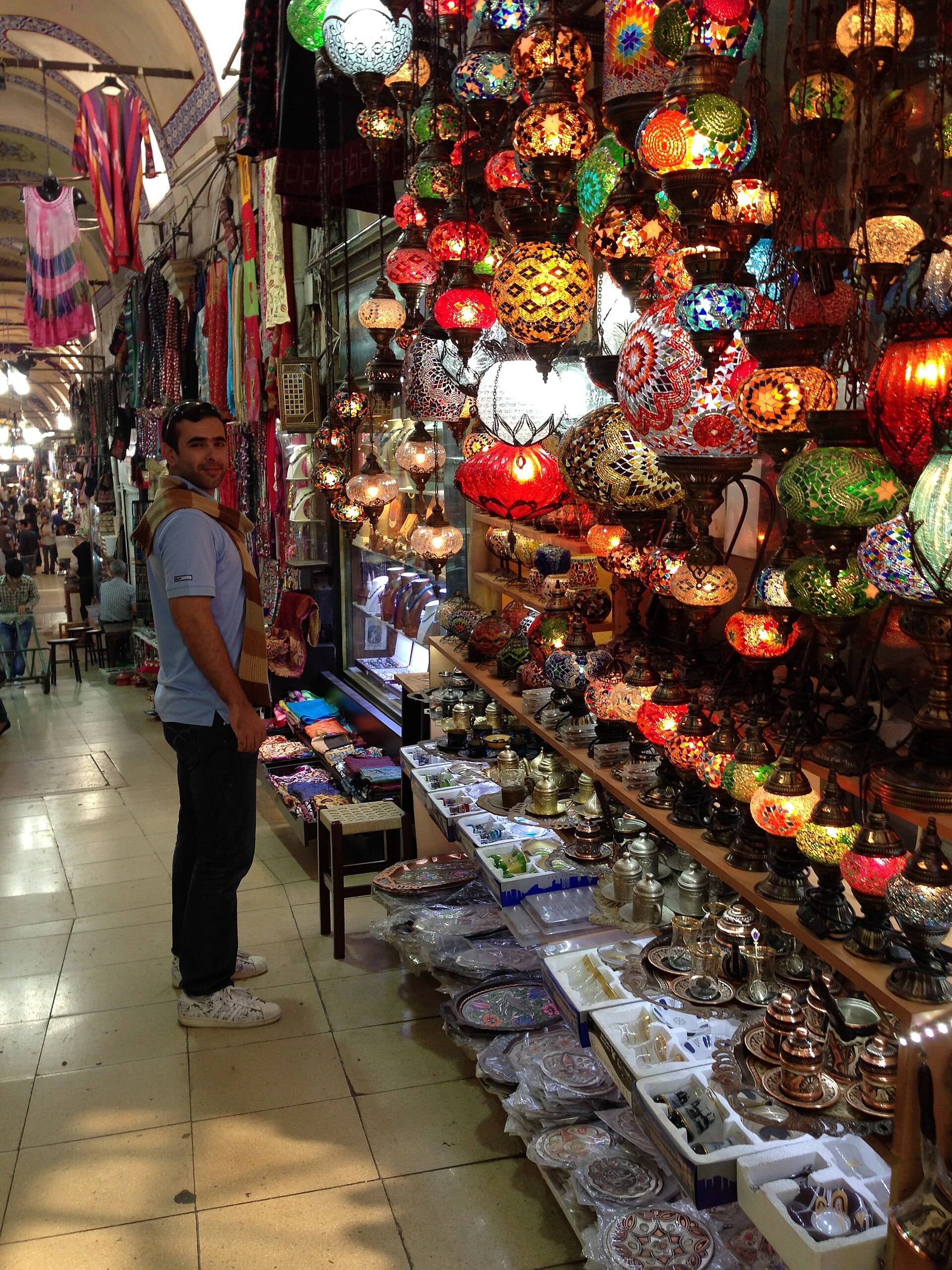
- Slow morning at the Grand Bazaar (open today; Topkapı isn't — and we're already done with it).
- Optional add-on: the Spice Bazaar and a wander down to Eminönü on the water.
- Checkout, then a 10–15 minute taxi to Galataport — bags to the bell desk, and they reappear in the stateroom. (Boarding time TBD.)
- Evening aboard with the skyline lit up — the ship sleeps in port tonight.
- Viking's day — the excursion menu so far lists the Basilica Cistern or a Bosphorus cruise (details below).
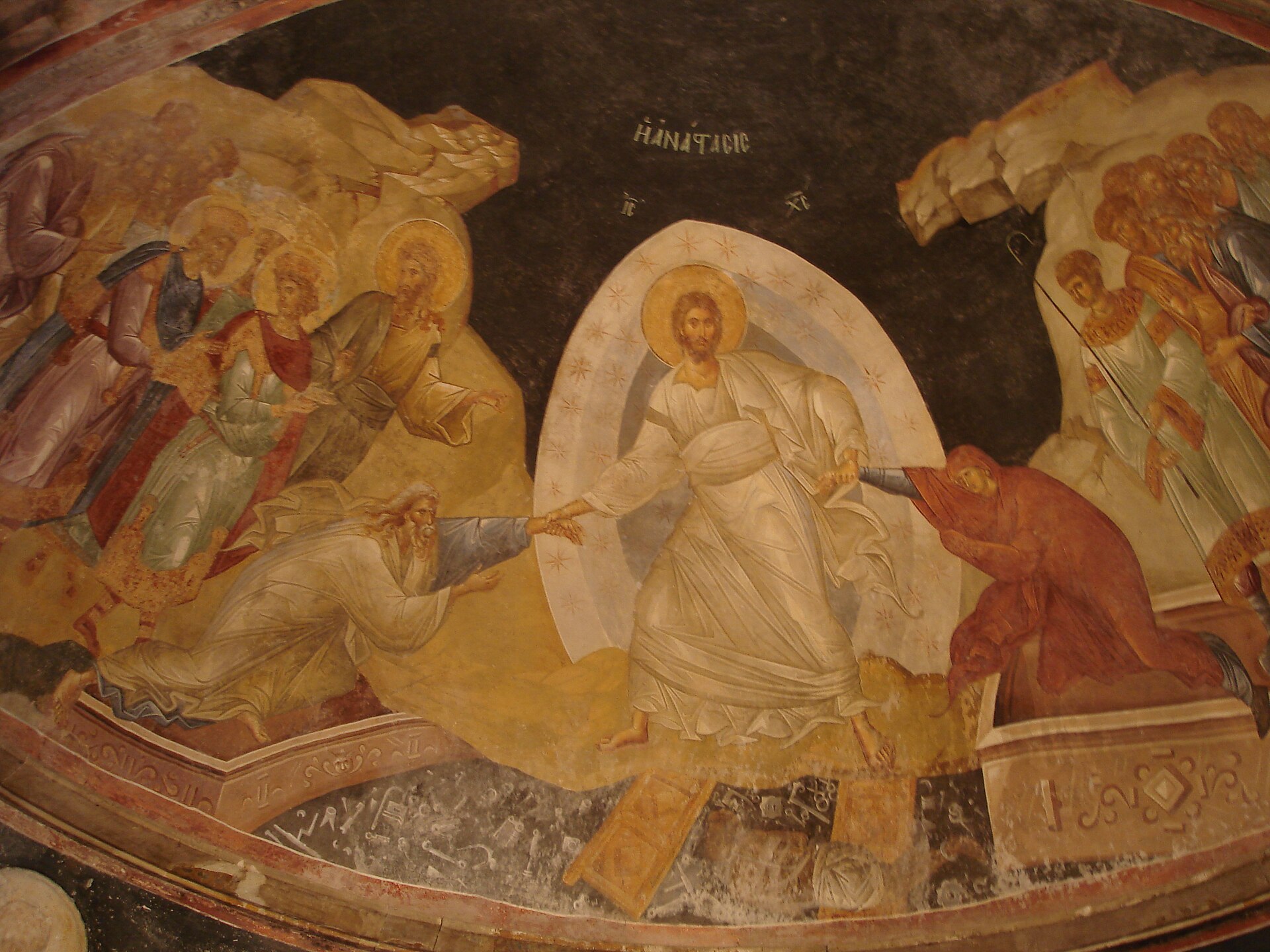
- Independent alternative: Chora's Byzantine mosaics and the Land Walls, or Süleymaniye for the best view in the old city.
- Or the local classic: a 20-minute ferry to the Asian side — two continents in one trip.
- All aboard late afternoon (time TBD), and we sail for Troy as the lights come on.
Home base · Dec 20–22
AJWA Sultanahmet
📍 Open in Google MapsTwo nights somewhere special: a small Michelin-Guide-listed hotel that feels more private mansion than hotel — mother-of-pearl furniture, silk carpets, hand-painted ceilings. The location is the real luxury: the Hippodrome, Blue Mosque, Hagia Sophia, Topkapı and the Grand Bazaar are all an easy walk out the front door. Upstairs, Zeferan serves Azerbaijani cuisine over rooftop views of the Sea of Marmara; the lobby pâtisserie handles anything sweet. Airport transfers are arranged through the hotel.
Place to place
Getting around
🚶 The old city mostly works on foot
From the AJWA, the Hippodrome, Blue Mosque, Hagia Sophia, Topkapı and the Grand Bazaar are all inside a ten-minute walk — no transport required for the core days. Wheels come into it for the airport run, Galataport, Chora, the coffee Roastery, and the fun of crossing to Asia.
› From the airport to the hotel Day 1
For completeness (or a backup): the official yellow-taxi rank outside arrivals runs on the meter — figure roughly $55–65 to Sultanahmet at mid-2026 rates, more in traffic. The Havaist airport coach toward Sultanahmet costs about $10–12 but takes 90+ minutes with luggage handling; its direct old-city route has been on-and-off during 2026, so it's not the one to count on. The metro from the airport exists but needs two changes with bags — no.
› The T1 tram — one line, all our places The workhorse
Hop on at Sultanahmet and Galataport is about four stops and one bridge away — handy on ship days when we're traveling light. Tap in with an Istanbulkart or a contactless credit card.
› Marmaray — the train under the sea Under the Bosphorus
The best version is a loop: Marmaray under the water to Üsküdar, tea and a wander on the Asian shore, then a ferry back across the top with the whole skyline in front of you. Train under, boat over — two continents, two crossings, one afternoon.
› Ferries — the city's front door Two continents
This is the everyday version of the Bosphorus cruise, for about a dollar. It pairs with the Marmaray loop above, or stands alone as the Wednesday "set foot in Asia" trip.
› Taxis & the apps Door to door
Taxis are the move whenever there's luggage (embarkation day) or a cross-town target like Chora or the Espressolab Roastery. For everything inside Sultanahmet, feet beat wheels.
› Paying for it all — Istanbulkart The card
Even riding everything on this list, a full transit day runs a few dollars a person. Fares are as of July 2026 — Turkish prices move with inflation, so the December re-check will refresh the numbers.
What to see
Sights & history
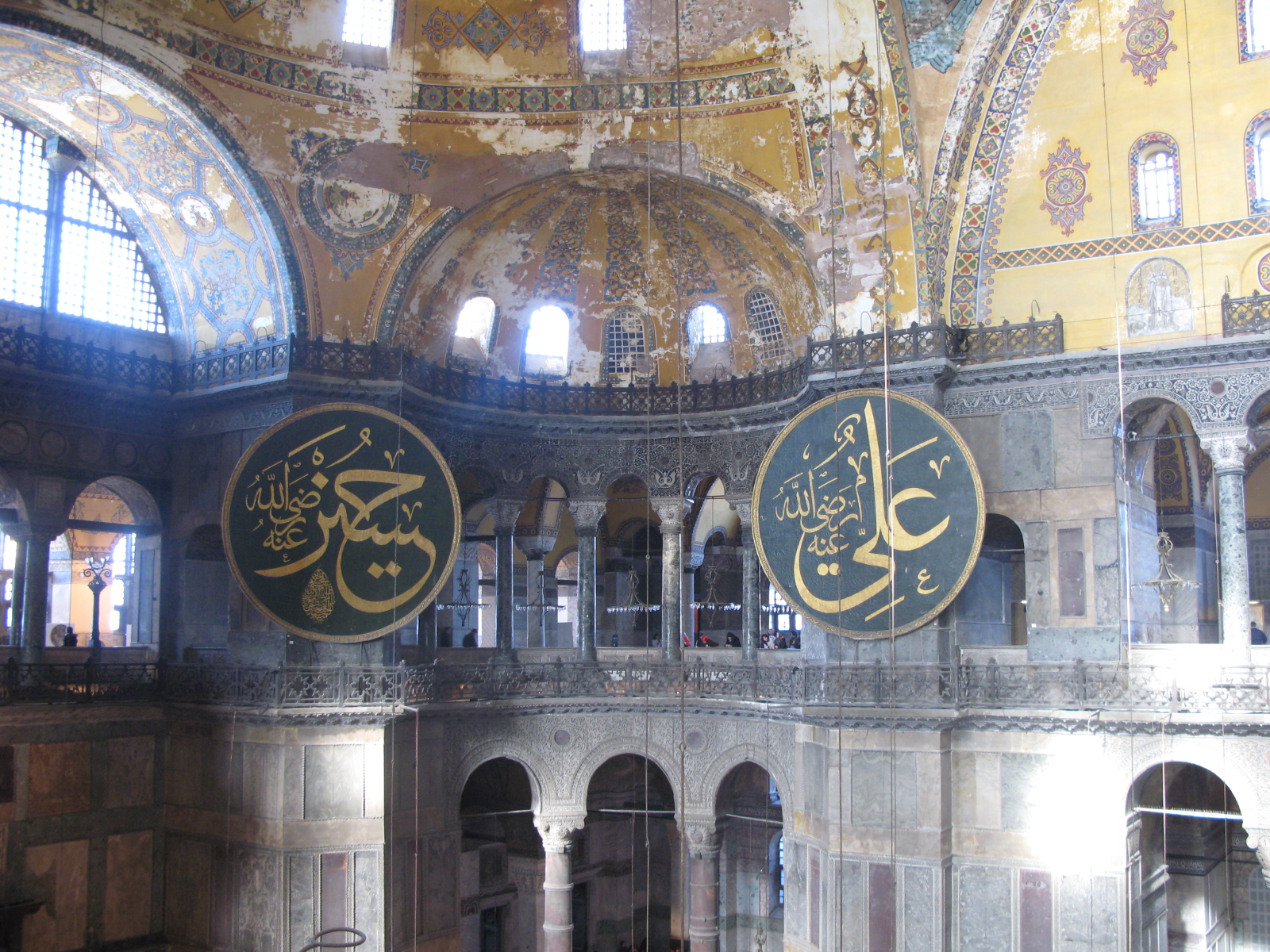
› Hagia Sophia Must-see
 📍 Open in Google Maps
The single most awe-inspiring building of the trip. Now an active mosque, so we dress respectfully and time our visit around prayers.
Good to know: Hagia Sophia is undergoing a major multi-year dome restoration, so expect scaffolding inside and some obstructed views up into the dome. It stays open to visitors throughout — and December's thin crowds are a real upside.
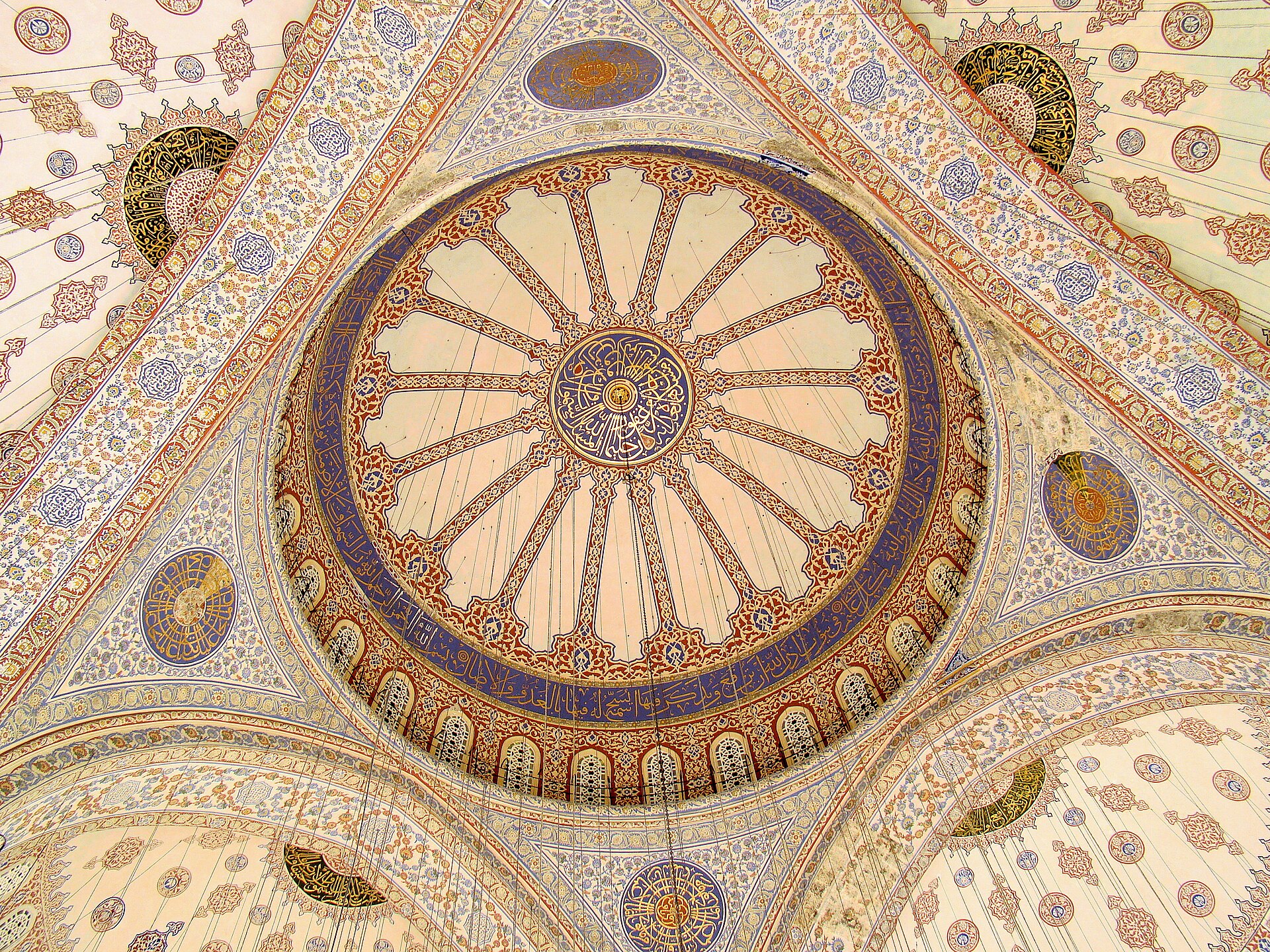
› The Blue Mosque (Sultan Ahmed) Must-see
 📍 Open in Google Maps
Directly across the square from Hagia Sophia, so we'll do the pair together. Free to enter; just respect prayer times and dress code.
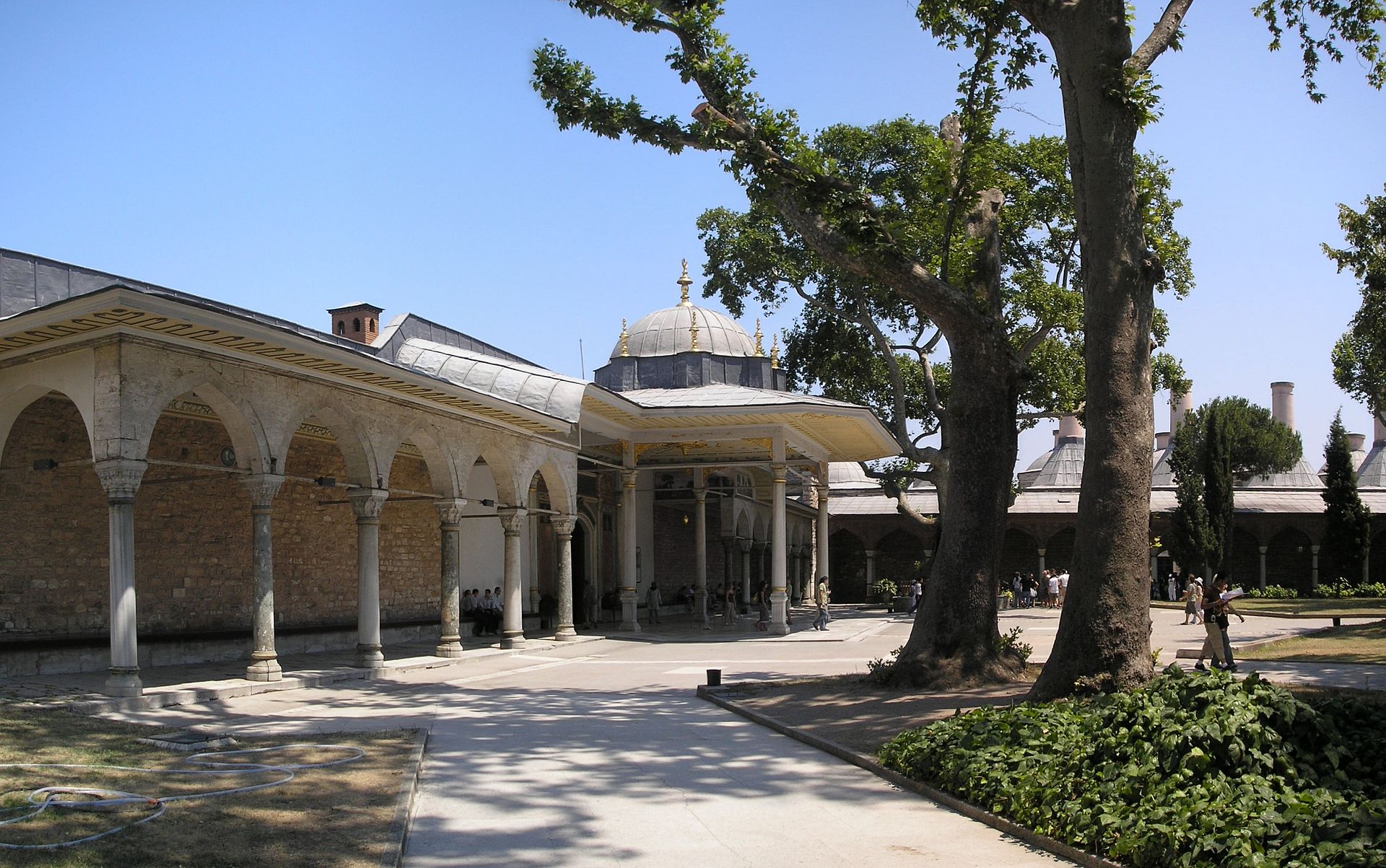
› Topkapı Palace Monday's anchor
 📍 Open in Google Maps
The Harem and Hagia Irene now come bundled in the single ticket — both worth the time. Winter hours are short and dark falls fast, which is why this leads Monday morning.
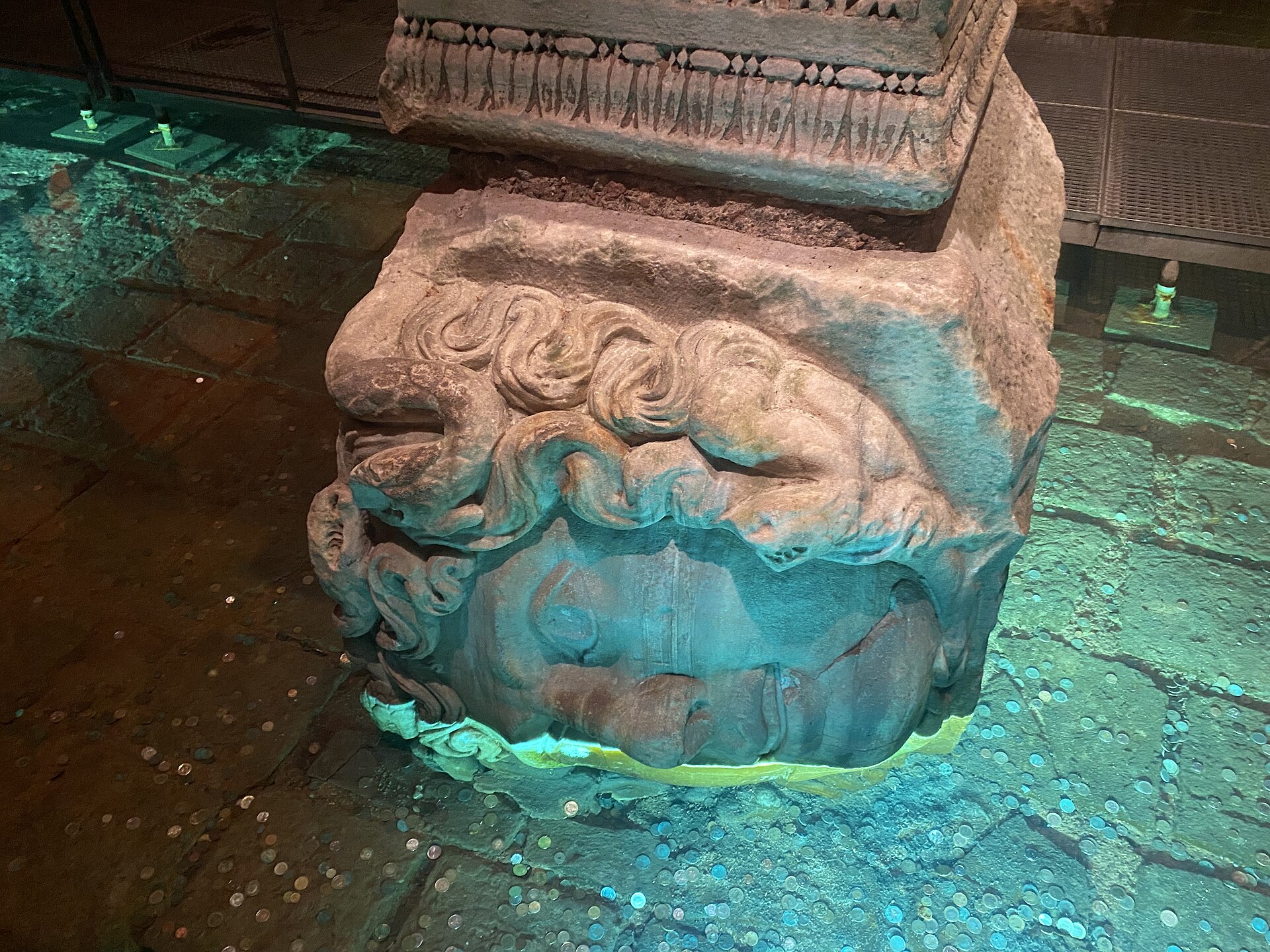
› Basilica Cistern Status in flux
 📍 Open in Google Maps
Just steps from Hagia Sophia and gloriously warm and dry — a perfect December stop. It changed hands in June 2026 and briefly closed during the handover; the weekly trip-watch is tracking its reopening terms, and this panel will update as they settle.
› Chora (Kariye) — the mosaics Byzantine gem
 📍 Open in Google Maps
Out by the Theodosian Land Walls, so the two pair naturally — the city's greatest art beside the walls that guarded it for a thousand years. The strongest candidate for Wednesday if we strike out on our own.
› Grand Bazaar Shop
 📍 Open in Google Maps
A labyrinth, and cosy in winter. Haggle politely, accept the offered tea, and don't be afraid to get lost.
› Spice Bazaar & the Bosphorus Half-day
A winter Bosphorus cruise has heated indoor seating and the best skyline views — an easy, warming way to see the city from the water.
› Süleymaniye Mosque Best view
If we have an hour to spare, the view from its terrace is the best in the old city.
› Optional · for the history loverWhy this city is really ‘New Rome’ History detour
In 330 AD Constantine the Great refounded the old Greek town of Byzantium as his capital and named it Nova Roma — New Rome. For more than a thousand years after the western empire fell, the people here still called themselves Rhōmaîoi: Romans. This was the Roman Empire, continued.
You feel it everywhere. Justinian's law codes still underpin Western law; the Nika riots of 532 nearly toppled him and burned the city — clearing the ground for Hagia Sophia, raised in just five astonishing years. The great Theodosian Land Walls turned back siege after siege for a thousand years, until the cannon of 1453. Stand under that dome and you're in the heart of Rome's longest, strangest second act.
A fitting bookend: before choosing this site, Constantine reportedly began building his new capital near the ruins of Troy — Rome's mythical birthplace, and our very next port.
With Viking
The tour options
One excursion per port comes included. Viking's published menu for Constantinople so far: a landmarks tour on Day 1 (Blue Mosque, Hagia Sophia, Topkapı), and on Day 2 the Basilica Cistern or a Bosphorus cruise.
⛴ The likely standout: the Bosphorus by boat
Since the hotel days already cover the great Sultanahmet sights on foot, Day 1's landmarks tour would repeat ground we've walked — but the Bosphorus cruise adds something the old city can't: two continents, Ottoman palaces and waterside mansions from the water, with heated indoor seating for December. The full tour list with times lands in My Viking Journey when booking opens this summer; the pick-by-pick breakdown will appear here then.
What to eat
Food & drink
Turkish food is one of the trip's great pleasures. A few things worth seeking out:
The classics
Kebabs (try Adana), meze spreads, pide and lahmacun (Turkish flatbreads), and a long, lazy Turkish breakfast (kahvaltı) if there's a morning to spare.
Sweet things
Baklava, künefe (warm cheese pastry in syrup), and lokum (Turkish delight) from the Spice Bazaar — perfect gifts to bring home.
Warm winter drinks
Çay (tea, served everywhere), UNESCO-listed Turkish coffee, and salep — a hot, milky cinnamon-dusted drink that's pure December comfort.
Where
Zeferan is right upstairs at the hotel for the easy nights. Beyond Sultanahmet's tourist row: Karaköy and Beyoğlu are livelier, fish sandwiches by the Galata Bridge are a local rite, and roast chestnuts (kestane) warm every corner in winter.
A coffee moment
Espressolab
We're a coffee family — so this one gets its own corner.
Espressolab's flagship Roastery in Merter is billed as Europe's largest coffee experience center: an in-house bean roastery you can watch and choose from, a sweeping café, a bakery, smoothies, a fireplace for cold days, and a garden — all set inside a beautifully converted old factory. The kind of place you settle into for a slow morning rather than grab-and-go.
It sits west of the old city — about 8–9 km, a short hop on the M1 metro to Merter or ~20–25 minutes by taxi — so it's a little outing rather than a corner stop. Worth the trip for a proper coffee morning.
Everyday cups, closer to home
No need to cross town for the daily fix: Espressolab has branches near us too — one by Gülhane (toward Topkapı) and one at Eminönü (by the Spice Bazaar).
When we're there
December in the city
❄️ Cold, atmospheric, and uncrowded
Expect roughly 40–52°F (5–11°C), some rain, and a brisk wind off the Bosphorus — warm layers and something waterproof earn their keep. The upside is real: far fewer crowds at Hagia Sophia and Topkapı, and the bazaars at their cosiest. Days are short — dark by about 4:45 — which is what makes four days here so much better than two. Türkiye makes more of New Year than Christmas, so the lights and buzz build all week as we're there.
Good to know
Andrew's notes
› Timing around the closures
The calendar nearly solves itself: Grand Bazaar closed Sunday (arrival day), Topkapı closed Tuesday (embark day) — so Topkapı anchors Monday and the bazaar fills Tuesday morning. We're here Sun–Wed, so the Friday-midday mosque closures never touch us; only the five short daily prayer windows to step around, and Chora pauses for those too.
› Mosque etiquette
Dress modestly: shoulders and knees covered; women should bring a scarf for the head (some mosques lend them). Shoes come off at the door — easy slip-ons help. Keep voices low; avoid photographing people praying.
› Money & bargaining
Currency is the Turkish lira; cards are widely accepted, but carry some cash for bazaars, tips, and chestnut vendors. In the Grand & Spice Bazaars, haggling is expected and friendly — start well below the asking price.
› Two continents
If anyone wants to literally set foot in Asia, a cheap ferry from Eminönü to Kadıköy or Üsküdar crosses to the Asian side in ~20 minutes — great local food and a fun "we stood on two continents today" story. The deluxe version: take the Marmaray train under the strait one way and the ferry back (see Getting around).