Day 6 docks at Heraklion on Crete — gateway to the Minoans, Europe's oldest civilization, and to a Venetian-Ottoman island with a turbulent past. Here's the day.
Day 6
The plan
- Knossos Palace (~5 km) — the great Minoan site and the myth of the Labyrinth.
- Pair it with the Heraklion Archaeological Museum for the Minoan treasures themselves.
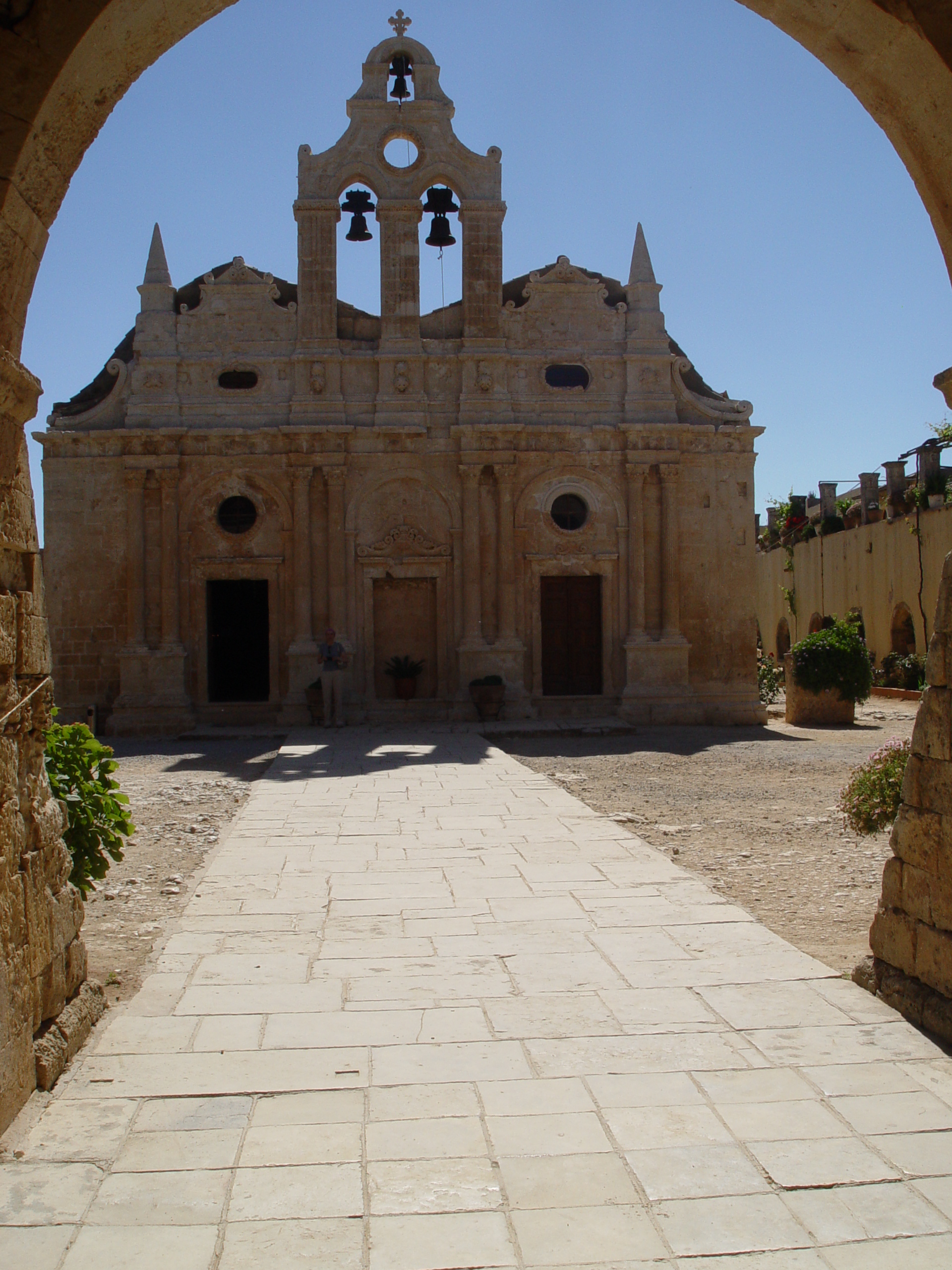
- Alternative: drive west to Arkadi Monastery and Rethymnon's Venetian old town.
- By the harbour, the Venetian Koules Fortress.
What to see
Sights & history
› Knossos Palace Must-see
 📍 Knossos
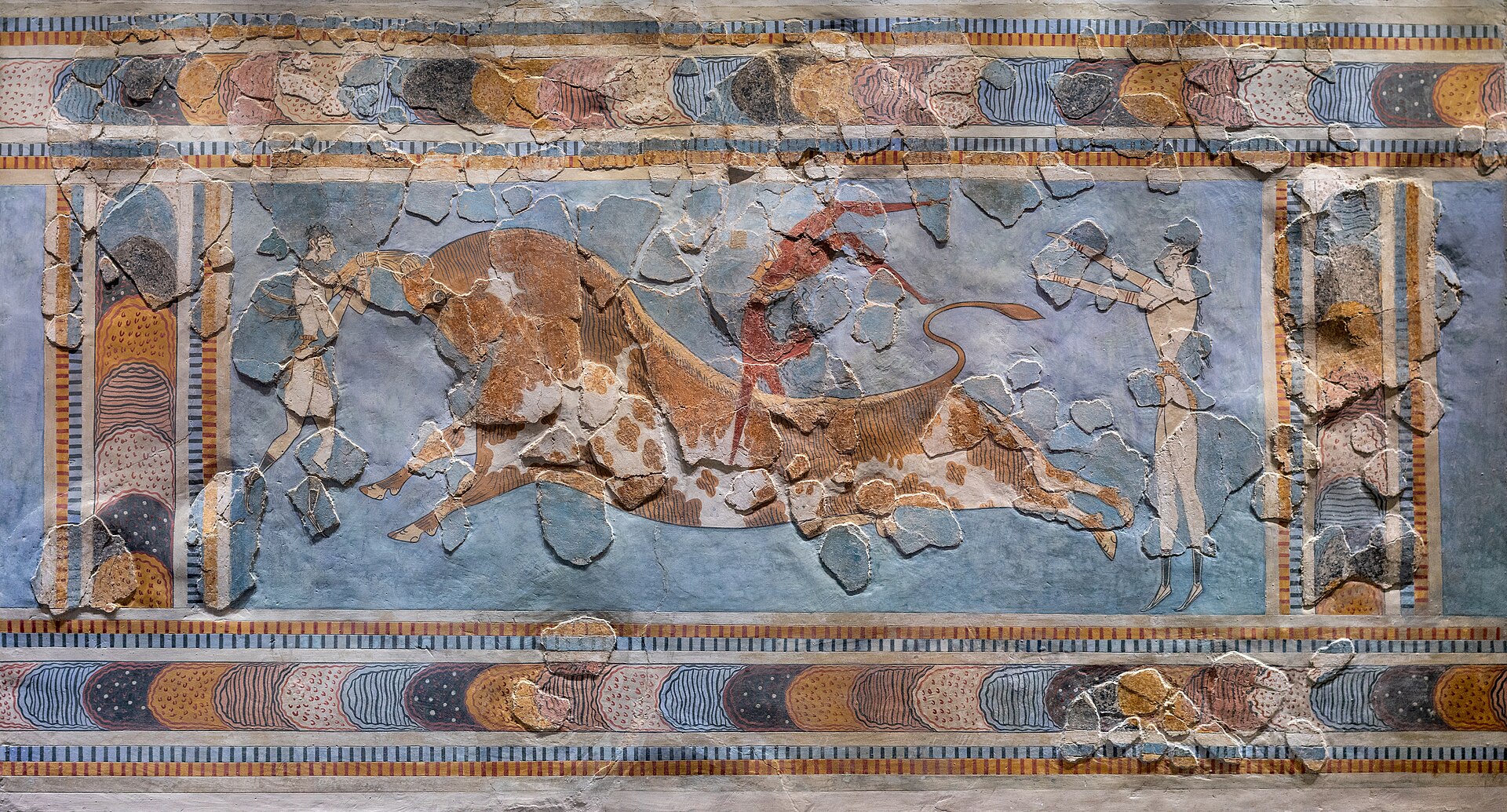
Vivid, colourful, and easy to read thanks to Evans's (debated) restorations.
› Heraklion Archaeological Museum Pairs with Knossos
The frescoes at Knossos are copies; the originals are here. Do both.
› Rethymnon Old Town Half-day
The prettiest town on this stretch of coast, if you'd rather wander than tour ruins.
› Arkadi Monastery & Koules Fortress History
Arkadi is moving but a longer drive; Koules is an easy harbour-side stop.
› Optional · for the history loverThe island Byzantium lost — and a future emperor won back History detour
Long after the Minoans, Crete was a Roman and then Byzantine province — until, around 824 AD, a band of Andalusian exiles seized the island and founded the Emirate of Crete. For well over a century it became the great corsair base of the Aegean, its raiders carrying off ships and slaves and humiliating a string of Byzantine counter-attacks.
Then came Nikephoros Phokas. In 960–961 AD the brilliant general (soon to be emperor) landed an enormous expedition and laid siege to the Arab capital of Chandax — today's Heraklion. After a grinding winter siege he stormed it and returned Crete to the Roman/Byzantine world. The very harbour you sail into was the prize he fought a winter to take.
What to eat
Food & drink
Cretan cuisine
One of the world's healthiest tables — dakos (rusk salad), wild greens, cheeses, lamb, and superb olive oil.
To drink
Raki (the Cretan firewater, often free after a meal) and robust local reds.
When we're there
December here
Mild and green
Crete is the warmest of our Greek stops — often 54–63°F (12–17°C) and sunny, though winter is the green, rainy-now-and-then season. Knossos and the museum are happy in any weather.
Good to know
Andrew's notes
› Knossos + museum = the combo
Knossos is ~5 km from the port; see it with the Heraklion museum, since the original frescoes live in the museum and the site shows copies.
› West takes time
Arkadi and Rethymnon are an hour-plus west — a different, lovely day, but you'll trade the Minoan deep-dive for it.
› Footwear
Knossos is uneven and can be slick after rain; sensible shoes.