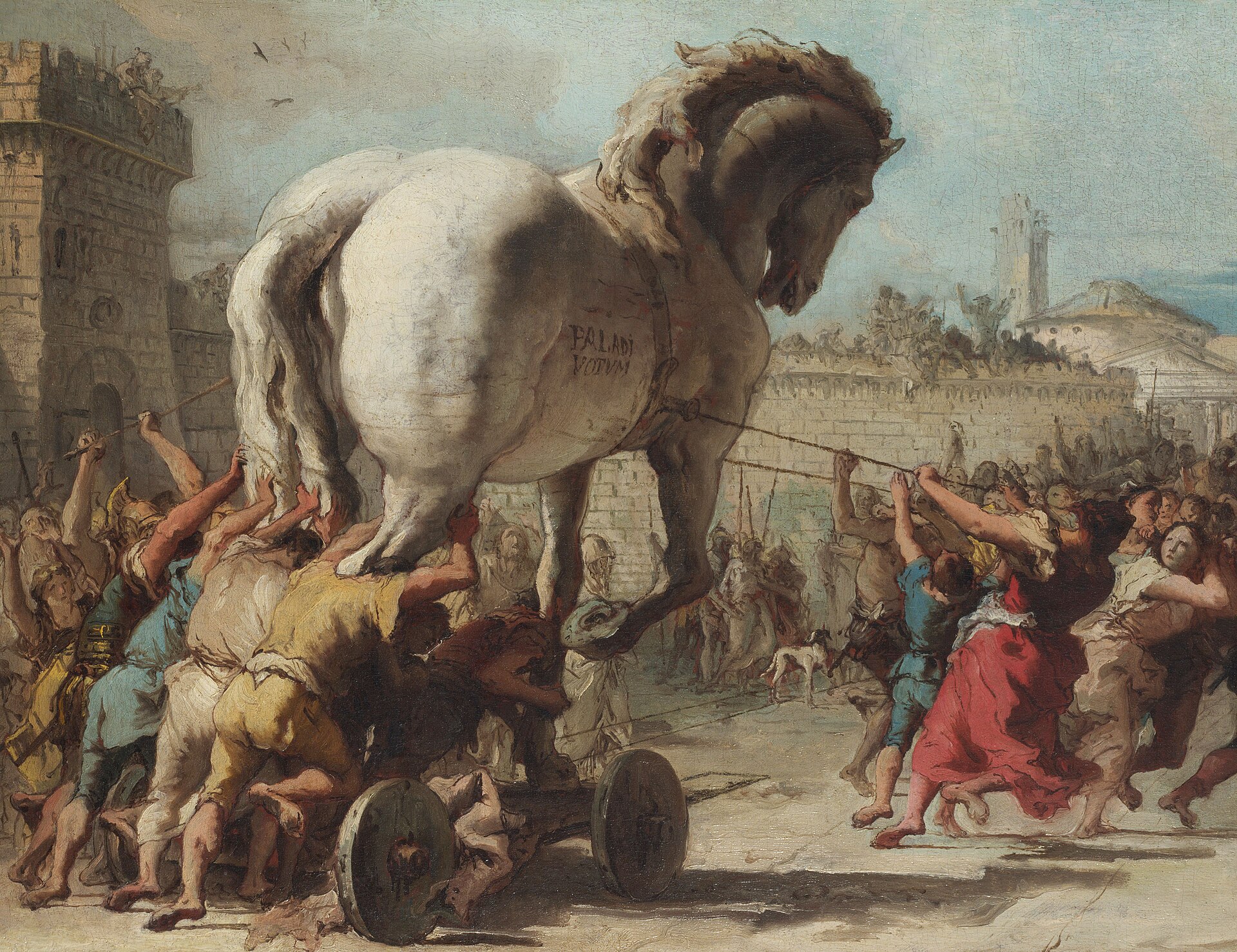
🎄 Christmas Eve ashore
Troy is layered ruins plus a superb modern museum — bring imagination. The site sits ~30 km inland from the Çanakkale dock; Viking arranges transport.
Day 3 lands us at Troy — less a single city than nine of them, stacked over 3,000 years, where legend and archaeology blur. Here's the shape of the day.
Day 3
The plan
- Drive inland to the archaeological site of Troy (~30 km) — the excavated layers and the wooden-horse replica.
- The modern Troy Museum for context and the finds.
- Alternative for military-history buffs: Gallipoli battlefields across the strait.
- Back at Çanakkale, see the film-prop Trojan Horse on the waterfront.
What to see
Sights & history
› Troy Archaeological Site Must-see
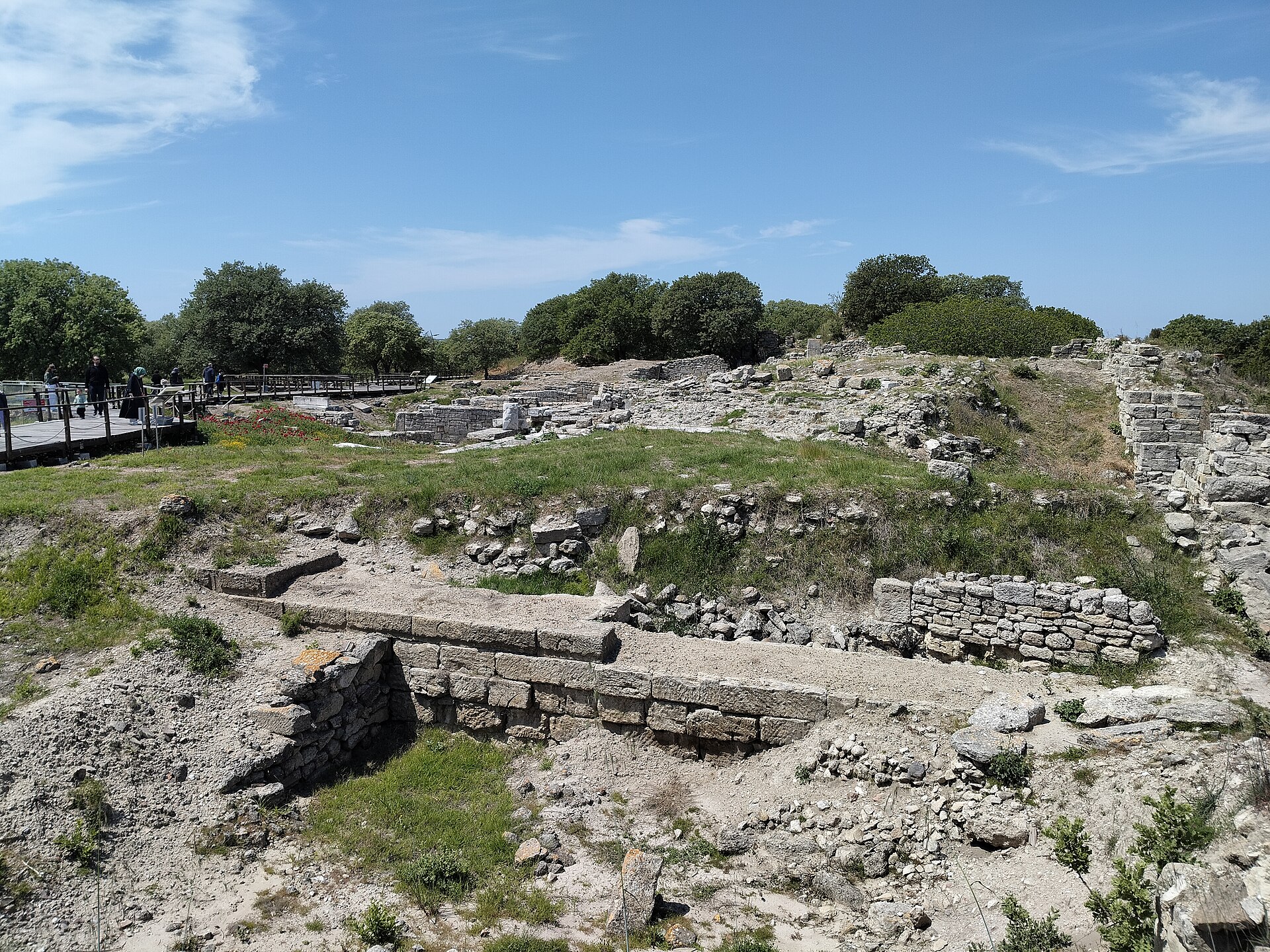 📍 Troy
Ruins that reward imagination over spectacle — and a wooden horse you can climb.
› Troy Museum Context
Do this with the site — it turns rubble into story.
› Çanakkale & the Dardanelles The strait
A pleasant waterfront town; the Trojan Horse prop from the 2004 film stands by the quay.
› Gallipoli (optional) Modern history
An alternative excursion if 20th-century history pulls harder than the Bronze Age.
› Optional · for the history loverWhy Troy is really where Rome — and Constantinople — began History detour
Here's the thread I love. Rome believed it was born from Troy: the Trojan prince Aeneas escaped the burning city and, in Virgil's Aeneid, founded the bloodline that led to Romulus. Julius Caesar and Augustus claimed Venus and Aeneas as literal ancestors.
It goes further. Caesar is said to have toyed with moving Rome's capital east to Troy — and centuries later Constantine the Great actually began founding his new Christian capital near the ruins of Troy before changing his mind and choosing Byzantium, which became Constantinople. So the great city we boarded in was, very nearly, built right here. Standing at Troy, you're at the mythic root of the whole Roman story.
With Viking
The tour options
Viking's published menu for the day: the archaeological site of Troy (with the museum), the town of Çanakkale, or the Gallipoli battlefields across the strait. The full list with times lands in My Viking Journey when booking opens.
🏛 The likely call: Troy itself
It's the reason this port exists — the site plus the superb modern museum, with Viking handling the ~30 km of transport. Gallipoli is the compelling alternative for WWI history; it's a fuller, more somber day. Çanakkale town works for anyone wanting a light day by the water with the film-prop horse.
What to eat
Food & drink
Aegean & sea
Çanakkale is fishing country — grilled fish, meze, and superb local olive oil.
Local sweet
Look for peynir helvası (warm cheese halva) and Çanakkale's famous candied tomatoes.
When we're there
December here
Cold wind off the Dardanelles
Expect roughly 43–54°F (6–12°C) and a stiff breeze on the strait — a proper winter coat. It's Christmas Eve, the site is open-air, and crowds are thin; the museum is a warm refuge.
Good to know
Andrew's notes
› It's inland — and it's ruins
The site is ~30 km from the dock (transport via Viking). Manage expectations: this is foundations and partial walls, not standing temples — the museum and a good guide do the heavy lifting.
› Good shoes
Uneven ground and a fair bit of walking; sturdy footwear and a waterproof layer help on a December day.
› Or go to Gallipoli
If anyone prefers WWI history to the Bronze Age, the Gallipoli battlefields are the alternative excursion from Çanakkale.