🎄 Christmas Day ashore
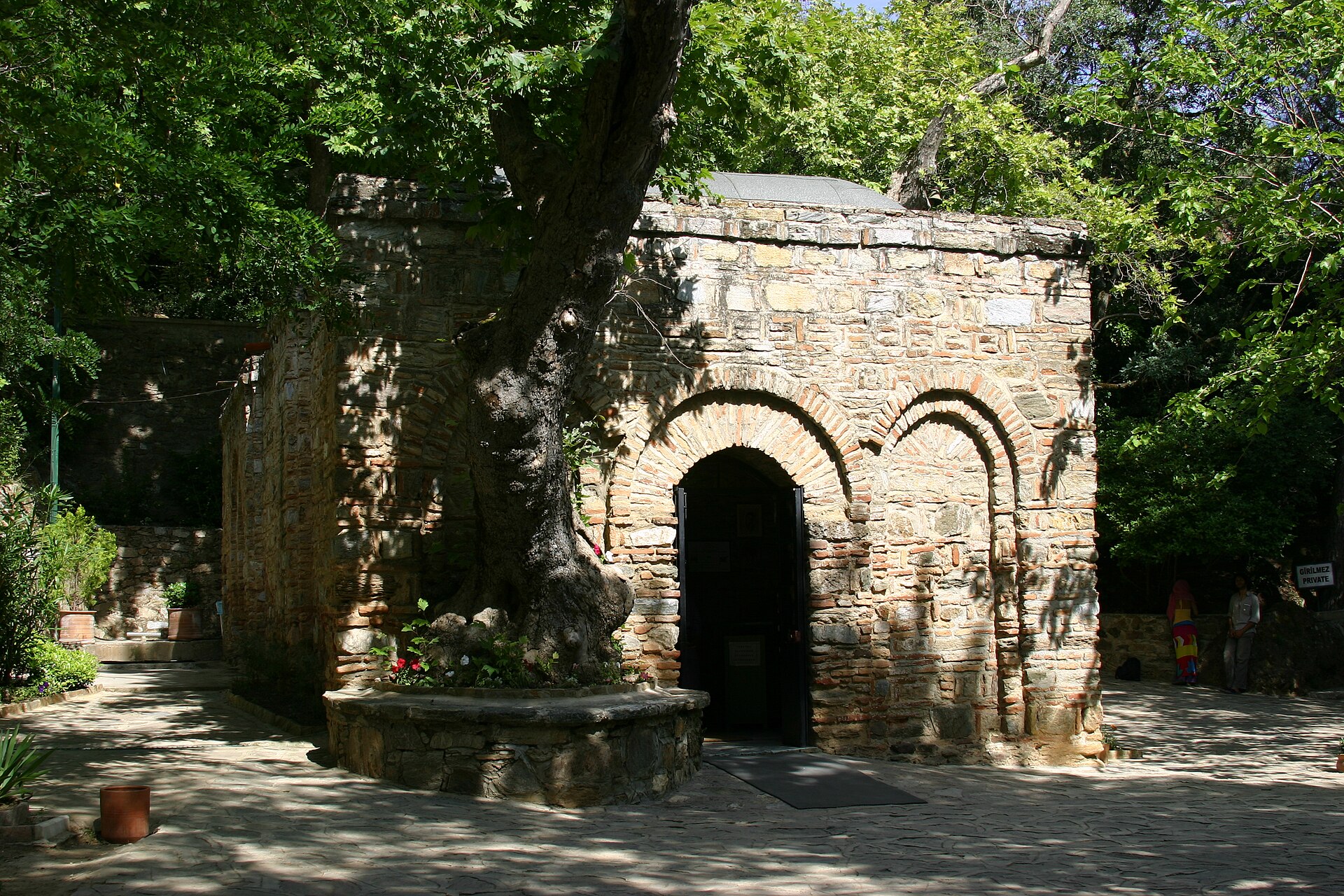
Fittingly, the House of the Virgin Mary sits in the hills above Ephesus — believed to be where Mary spent her last years. A quietly moving stop to make on Christmas Day.
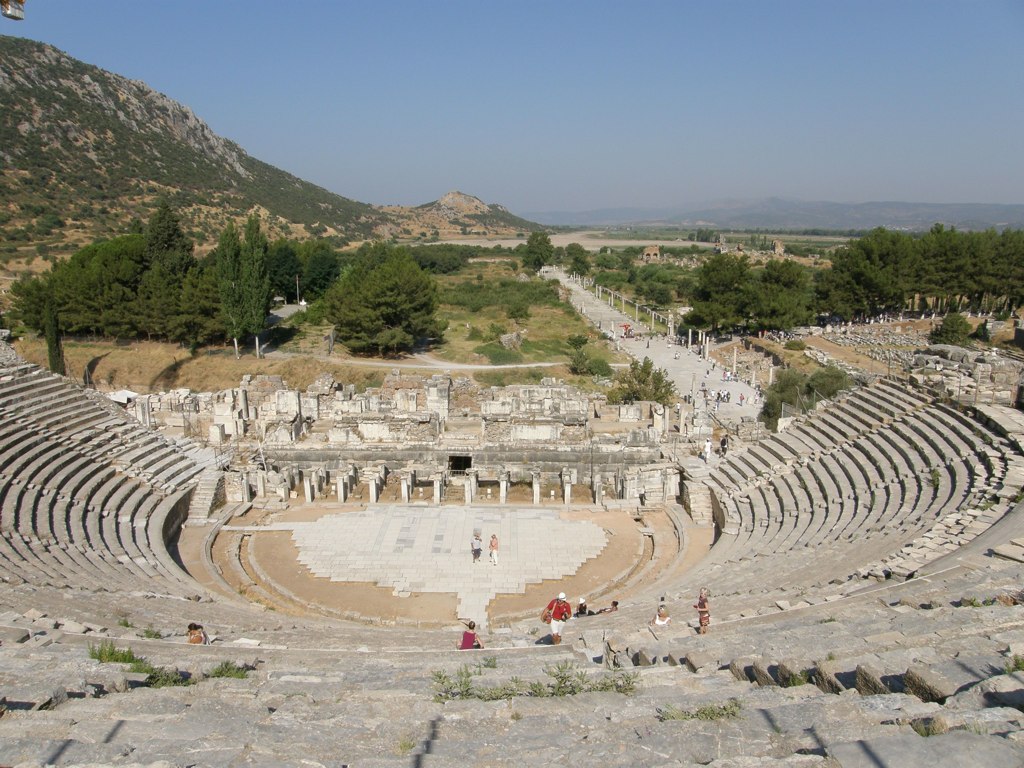
Day 4, Christmas Day, brings the showpiece of the Turkish coast: Ephesus, where you walk marble streets past a Roman library and a theatre that held 25,000. Here's the day.
Day 4
The plan
- The ancient city of Ephesus (~20 km from Kuşadası) — Library of Celsus, the Great Theatre, Curetes Street, the Terrace Houses.
- Up into the hills to the House of the Virgin Mary.
- If time: the lone column of the Temple of Artemis and the Basilica of St. John.
- Back in Kuşadası for the seaside town and bazaar.
What to see
Sights & history
› Ephesus Ancient City Must-see
 📍 Ephesus
Walk the marble main street end to end; pay extra for the frescoed Terrace Houses if open.
› House of the Virgin Mary Pilgrimage
Calm, sacred, and especially resonant on Christmas Day.
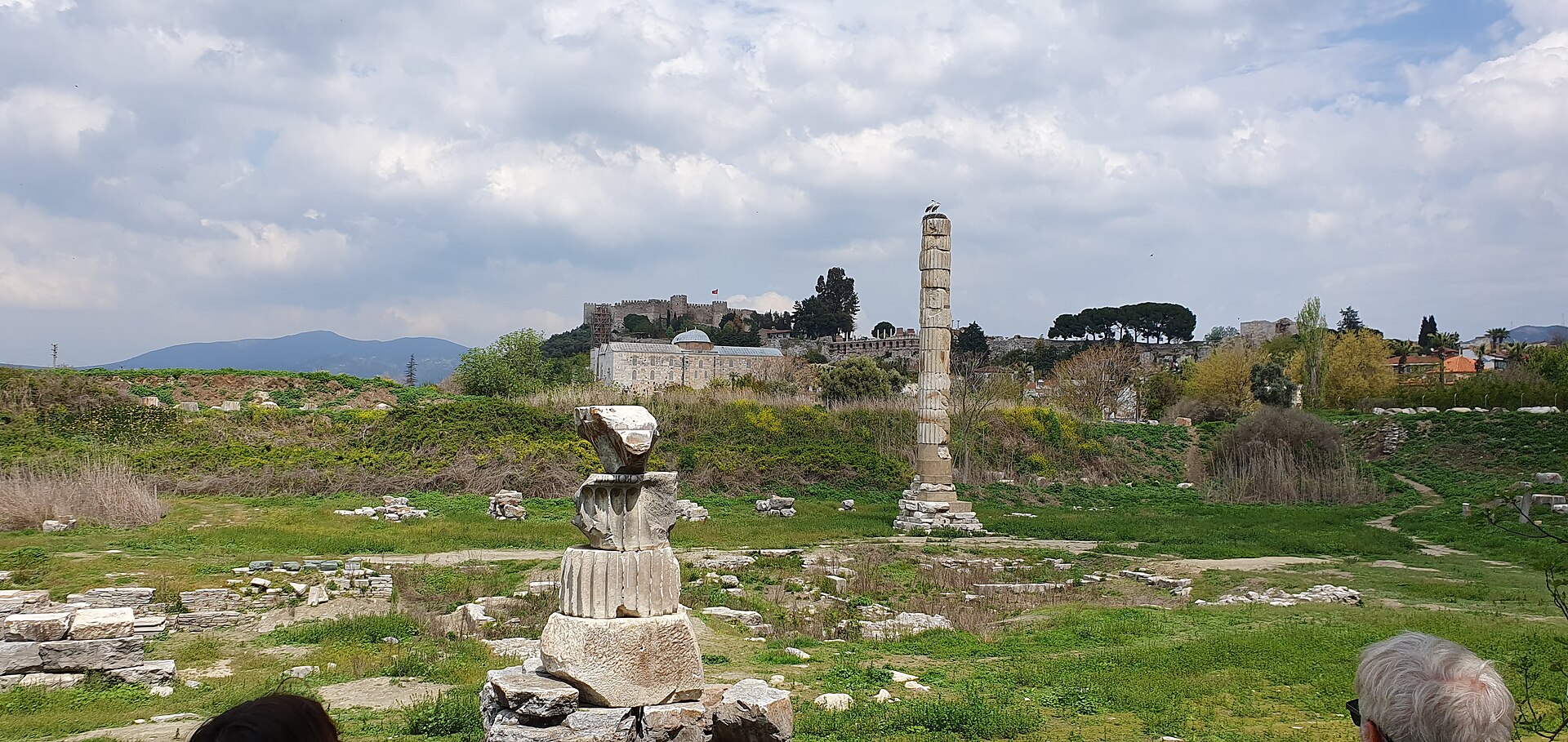
› Temple of Artemis Ancient wonder
More poignant than impressive now — but it's a Wonder, and it's on the way.
› Kuşadası & St. John's Basilica Town
Good for a wander, a coffee, and a poke around the bazaar before sailing.
The bazaar: it begins right at the port gate — leather, ceramics, lokum, and cheerful haggling — and it's on the list by Grandpa's request. Late December is low season, so the pitch is friendlier and the prices softer.
› Optional · for the history loverThe Roman metropolis where St. Paul started a riot History detour
Ephesus was no provincial backwater — under Rome it was the capital of the province of Asia and one of the empire's largest cities, perhaps a quarter of a million people. The Library of Celsus you'll photograph was built around 117 AD as a Roman senator's monumental tomb-and-library, his sarcophagus sealed beneath it. Mark Antony and Cleopatra wintered here together.
In that Great Theatre, the apostle Paul's preaching once triggered a full-scale riot — the city's silversmiths, who made their living selling silver shrines of Artemis, rioted for two hours chanting 'Great is Artemis of the Ephesians!' (Acts 19). And here's the slow tragedy: Ephesus died because its harbour silted up. The sea that made it rich crept away into malarial marsh, and the Byzantine town shrank back to the hill around St. John's — a great city undone by mud.
What to eat
Food & drink
Aegean Turkish
Olive-oil vegetable dishes, fresh figs, köfte, and gözleme (savoury filled flatbread).
By the water
Kuşadası does excellent seafood meze — and Turkish coffee with a sea view.
When we're there
December here
Mild coast, quiet ruins
The Aegean coast is gentler than inland — think 46–57°F (8–14°C), often bright. Christmas Day means few crowds on the marble. Bring sun and rain options; you'll be outdoors for hours.
Good to know
Andrew's notes
› It's a lot of walking
Ephesus is ~20 km from Kuşadası and the site is long and marble-paved — comfortable shoes and water are essential, even in winter.
› Terrace Houses ticket
The frescoed Terrace Houses need a separate ticket but are the best-preserved Roman homes here — worth it if they're open.
› A reverent stop
The House of the Virgin Mary is a place of worship; dress and behave respectfully, especially on Christmas Day.